
Introduction to Lalitha Sahasranama
The Lalitha Sahasranama is not just a sacred hymn; it is a profound spiritual journey that has guided seekers toward inner peace, self-realization, and lokakshemam (universal welfare) for centuries. Revered as one of the most powerful stotras in Sanatana Dharma, it consists of 1,000 divine names of Goddess Lalitha Tripurasundari, each name revealing a unique aspect of the Divine Mother.
Chanting Lalitha Sahasranama is believed to harmonize the mind, purify emotions, and align the individual with cosmic energy. More than a ritual, it is a living spiritual practice that bridges devotion, philosophy, and self-transformation. In today’s fast-paced and often chaotic world, this ancient hymn continues to offer timeless wisdom and deep solace.
The Meaning Behind the Name “Lalitha Sahasranama”
To truly appreciate its depth, it helps to understand the meaning of the term:
Lalitha – The playful, graceful, and blissful form of the Divine Mother
Sahasra – One thousand
Nama – Names
Thus, Lalitha Sahasranama literally means “the thousand names of Goddess Lalitha”. Each name is not merely a label but a mantra in itself, carrying spiritual potency and symbolic meaning. Together, these names create a vibrational field that uplifts both the chanter and the environment.
Scriptural Origin and Sacred Context
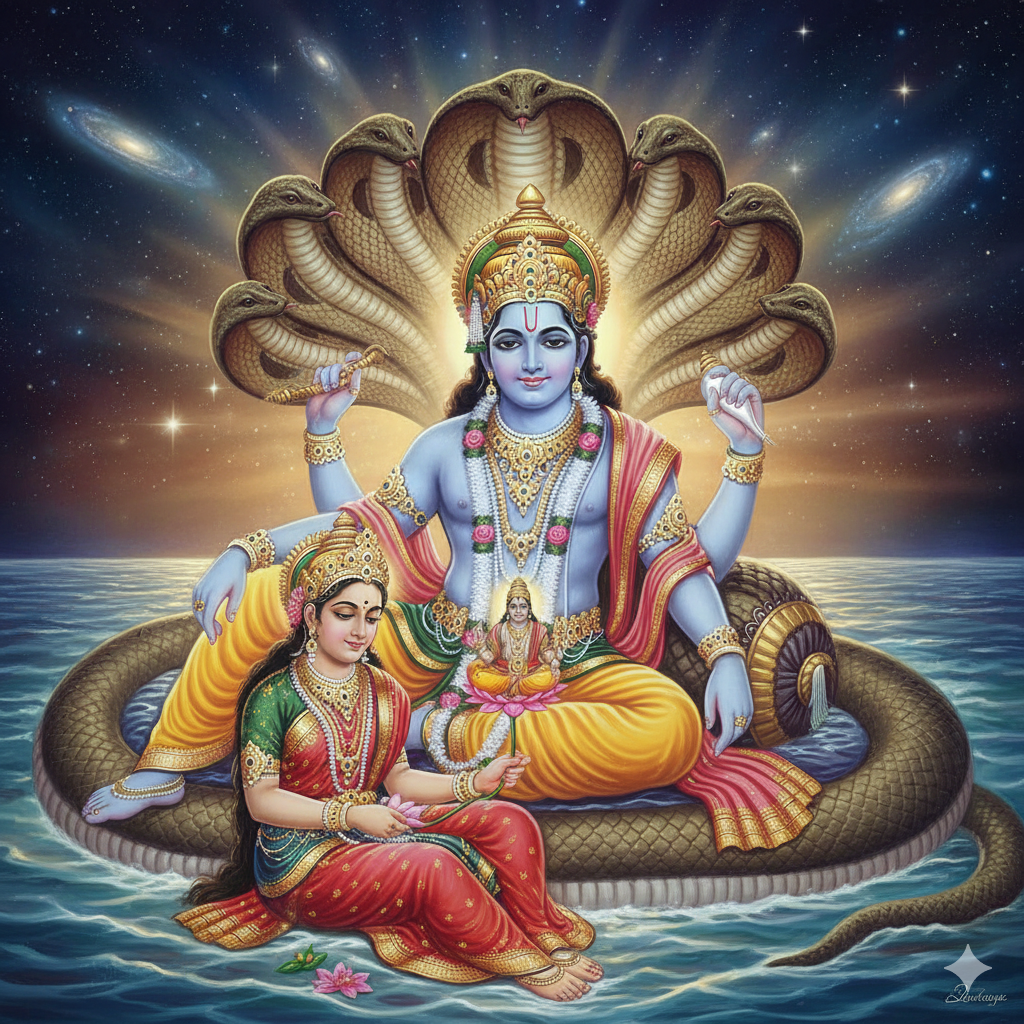
Lalitha Sahasranama appears in the Brahmanda Purana, one of the eighteen Mahapuranas. It is presented as a dialogue between Hayagriva (an incarnation of Vishnu) and Agastya Maharshi, making it deeply rooted in Vedic and Puranic tradition.
The hymn is closely associated with Sri Vidya, an esoteric spiritual system focused on the worship of the Divine Feminine as supreme consciousness. This connection elevates Lalitha Sahasranama beyond devotional poetry into the realm of spiritual science and metaphysical insight.
Who Is Goddess Lalitha Tripurasundari?
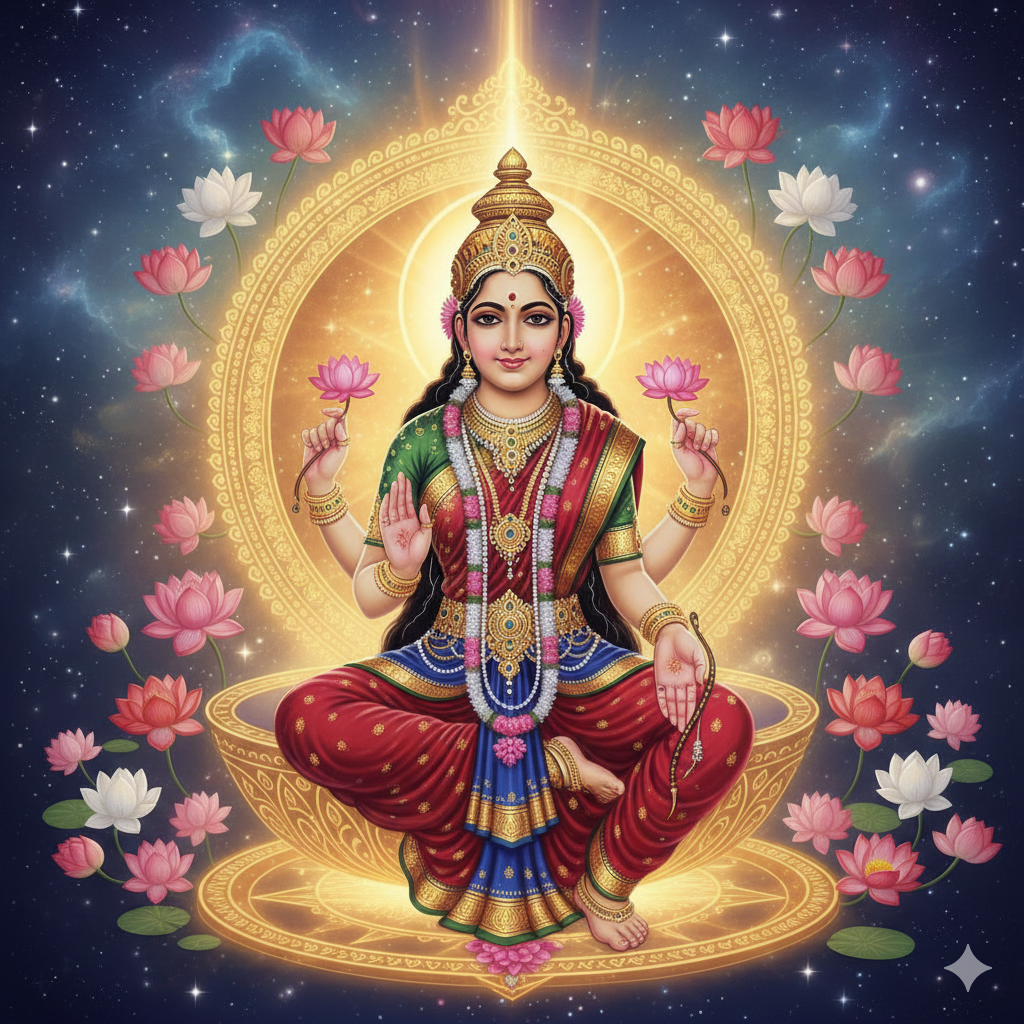
Goddess Lalitha Tripurasundari is revered as the Supreme Mother, embodying beauty, compassion, wisdom, and power. She is known as:
Tripurasundari – The most beautiful in the three worlds
Raj Rajeshwari – Queen of queens
Sri Mata – The Divine Mother of the universe
She is depicted seated on a Sri Chakra, symbolizing the entire cosmos and the journey of the soul from material existence to divine union. Worshipping Lalitha is considered a path to understanding both external prosperity and internal liberation.
Philosophical Depth of the Thousand Names
Each of the 1,000 names carries layers of meaning—symbolic, psychological, spiritual, and cosmic. Some names describe her physical beauty, others her role as the creator, sustainer, and dissolver of the universe, while many point toward non-dual philosophy (Advaita).
For example:
Names that emphasize compassion and motherhood nurture emotional healing
Names that highlight cosmic power instill confidence and fearlessness
Names rooted in pure consciousness guide the seeker toward self-realization
Together, they form a complete spiritual map of human evolution.
The Role of Lalitha Sahasranama in Inner Peace
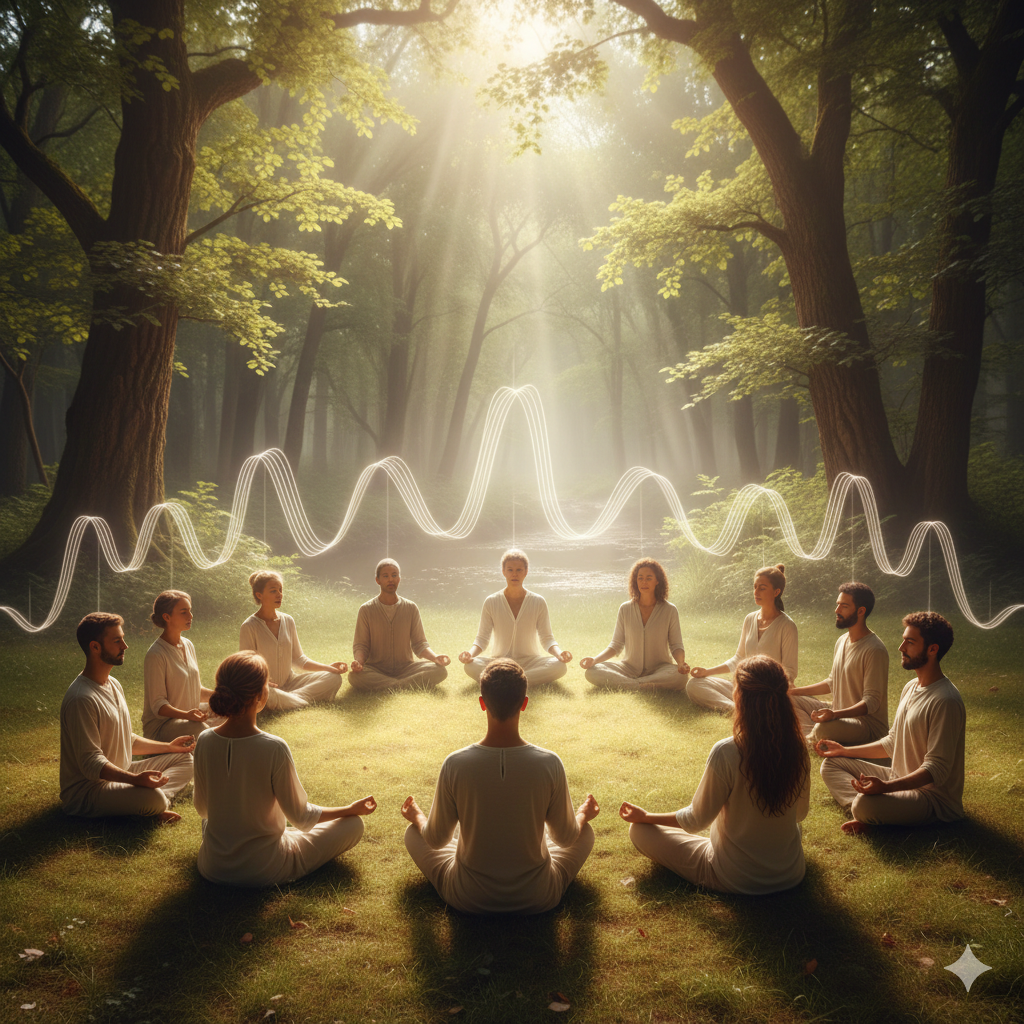
One of the most cherished benefits of chanting Lalitha Sahasranama is inner peace. The rhythmic repetition of sacred names calms the nervous system, reduces mental chatter, and anchors awareness in the present moment.
Regular chanting:
Helps dissolve anxiety and stress
Encourages emotional balance
Cultivates patience and clarity
Creates a sense of divine protection
In a world dominated by external noise, Lalitha Sahasranama becomes a sanctuary of silence within.
Understanding Lokakshemam Through Chanting
Lokakshemam means the well-being of all beings, not just personal benefit. Lalitha Sahasranama uniquely emphasizes this universal outlook. When chanted with sincerity, it is believed to generate positive vibrations that extend beyond the individual.
The practice nurtures:
Compassion for all life
Harmony in family and society
Collective peace and prosperity
Environmental and cosmic balance
This makes Lalitha Sahasranama a selfless spiritual act, aligning personal growth with global welfare.
Scientific and Psychological Perspectives
While rooted in spirituality, Lalitha Sahasranama also resonates with modern psychology and neuroscience. Chanting involves breath regulation, sound vibration, and focused attention, all of which are known to positively affect brain function.
Studies on mantra chanting suggest benefits such as:
Lower cortisol (stress hormone) levels
Improved concentration and memory
Enhanced emotional resilience
Activation of relaxation responses
The Sanskrit syllables create subtle vibrational frequencies that influence both mind and body, making the practice deeply therapeutic.
How to Chant Lalitha Sahasranama Correctly
Although devotion matters more than perfection, traditional guidance enhances the experience:
Chant during early morning or evening
Sit in a clean, calm space
Maintain a steady rhythm
Focus on pronunciation as much as possible
Chant with bhava (devotional feeling)
Even listening attentively is considered beneficial, especially for beginners. Consistency is key—the effects deepen over time.
Lalitha Sahasranama and the Sri Chakra Connection
The Sri Chakra is a powerful geometric representation of the universe and human consciousness. Lalitha Sahasranama is intimately linked with it, as many names correspond to different layers (avaranas) of the chakra.
Chanting with awareness of this connection:
Enhances spiritual insight
Awakens inner energy (Kundalini)
Accelerates personal transformation
This integration of sound (mantra) and form (yantra) makes the practice exceptionally potent.
Benefits for Daily Life and Spiritual Growth
Beyond spiritual enlightenment, Lalitha Sahasranama supports everyday well-being:
Strengthens intuition and decision-making
Improves relationships through empathy
Encourages ethical living
Attracts abundance and stability
Many practitioners report feeling guided, protected, and uplifted in daily life, as if the Divine Mother actively participates in their journey.
Common Misconceptions About Lalitha Sahasranama
Some believe it is only for scholars or advanced practitioners. In reality, Lalitha Sahasranama is accessible to all, regardless of background, gender, or stage of life.
You do not need:
Complex rituals
Initiation to begin basic chanting
Perfect Sanskrit knowledge
What truly matters is sincerity, consistency, and openness of heart.
Why Lalitha Sahasranama Is Relevant Today
In an age of burnout, distraction, and emotional overload, Lalitha Sahasranama offers something rare: deep nourishment for the soul. It reconnects individuals with timeless values—compassion, patience, humility, and universal love.
Its relevance today lies in its ability to:
Restore inner equilibrium
Foster collective harmony
Provide spiritual grounding without dogma
It is both ancient and strikingly modern in its impact.
Conclusion: Walking the Path of Peace and Lokakshemam
The Lalitha Sahasranama is far more than a sacred chant—it is a pathway to inner peace, self-awareness, and universal well-being. Through its thousand divine names, it gently guides the seeker from personal healing to cosmic harmony.
By embracing this practice with devotion and understanding, one not only transforms their own life but also contributes to lokakshemam, the welfare of all beings. In surrendering to the grace of Goddess Lalitha, we rediscover a truth the world desperately needs today: true peace begins within, and from there, it radiates outward to the entire universe.